Choosing the Right Wood for Your Mantel
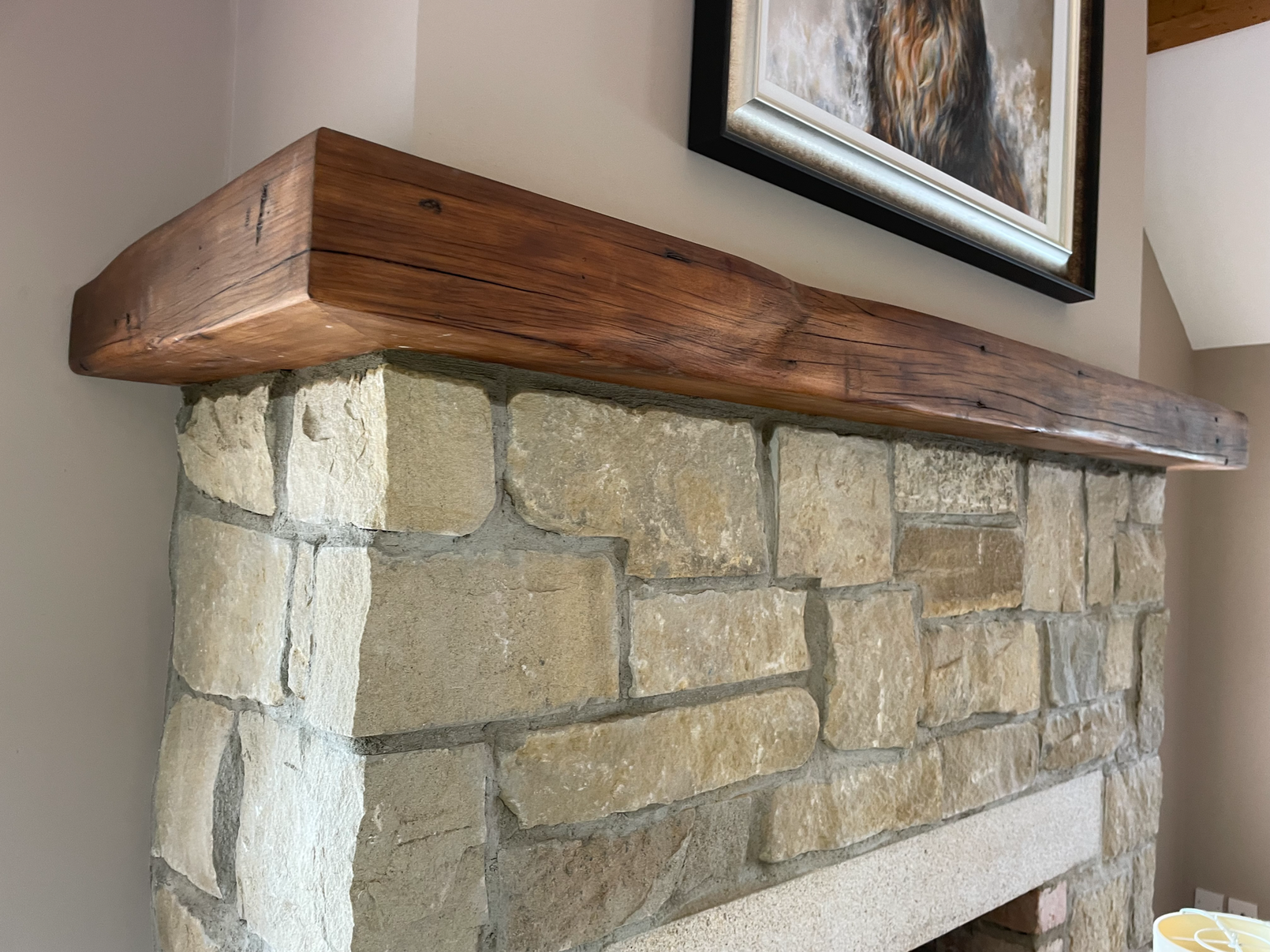
Choosing the Right Wood for Your Timber Mantel
When it comes to finishing your living room with a bespoke, handcrafted timber mantel, there are plenty of options to choose from, and it can get confusing. Do you choose oak, pine or something completely different? Should you use reclaimed timber or new? And what difference does your choice actually make?
Here's our quick guide to helping you choose.
The options
Oak – A popular choice for good reason
Oak is a hardwood known for its strength, durability and distinctive grain. It works particularly well for chunky, traditional mantels but can look equally at home in a contemporary setting.
Oak can be finished in various ways, from a natural oil that highlights the grain to darker stains for a more aged appearance. It's generally more expensive than softwoods, but it's an excellent option for a mantel that's intended to last.
Pine – Character without the price tag
Pine is a softwood, making it generally more affordable than oak. It's lighter in colour, often with prominent knots, and can be a great choice for rustic or country-style interiors.
It's also softer than oak, so it's more susceptible to dents and marks. That might not matter much for a mantel, particularly if you like a more lived-in appearance.
Ash – Something a little different
Ash is a strong hardwood with a distinctive, often quite striking grain. It's generally lighter in colour than oak and works particularly well if you're looking for a clean, contemporary finish.
It's worth considering if you want a natural timber mantel but aren't keen on the traditional look of oak.
Reclaimed or new timber?
Both have their advantages.
Reclaimed timber can bring character that's difficult to replicate with new wood. Old nail holes, weathering, previous joints and variations in colour can all become part of the finished piece.
But reclaimed doesn't automatically mean better. Timber needs to be carefully assessed for its condition, moisture content, previous treatments and suitability for its new purpose. We recommend speaking with a professional before choosing a reclaimed piece as it could work out more expensive if it needs a lot of TLC.
New timber, on the other hand, generally offers greater consistency and more control over the finished appearance. It can still have plenty of natural character, particularly when the right piece is selected.
What about the finish?
The finish can make almost as much difference to the appearance of your mantel as the timber itself.
Oils, waxes, stains and other finishes can enhance the grain, change the colour and provide varying levels of protection. The best choice depends on the timber, the look you're after and where the mantel will be installed.
One important consideration: Heat
If your mantel is going above a stove or fireplace, appearance isn't the only consideration.
Timber is combustible, and the required distance from a heat source depends on the appliance, installation and applicable safety requirements. A timber mantel must be positioned appropriately, regardless of the species you choose. So, again, we recommend speaking to a professional who can advise on the positioning of the mantel.
So, which wood should you choose?
There's no single right answer. It comes down to the look you want, your budget, the setting and the character of the individual piece of timber.
At Annagh, we make bespoke timber mantels to suit each space, helping customers choose suitable materials, proportions and finishes and we can also supply the timber.
If you're considering a timber mantel for your home, get in touch at hello@annaghdesigns.com.